
I want you all to support my dream. love you all 💖🌷💕

I need to find myself a new project

wettumBooknooks?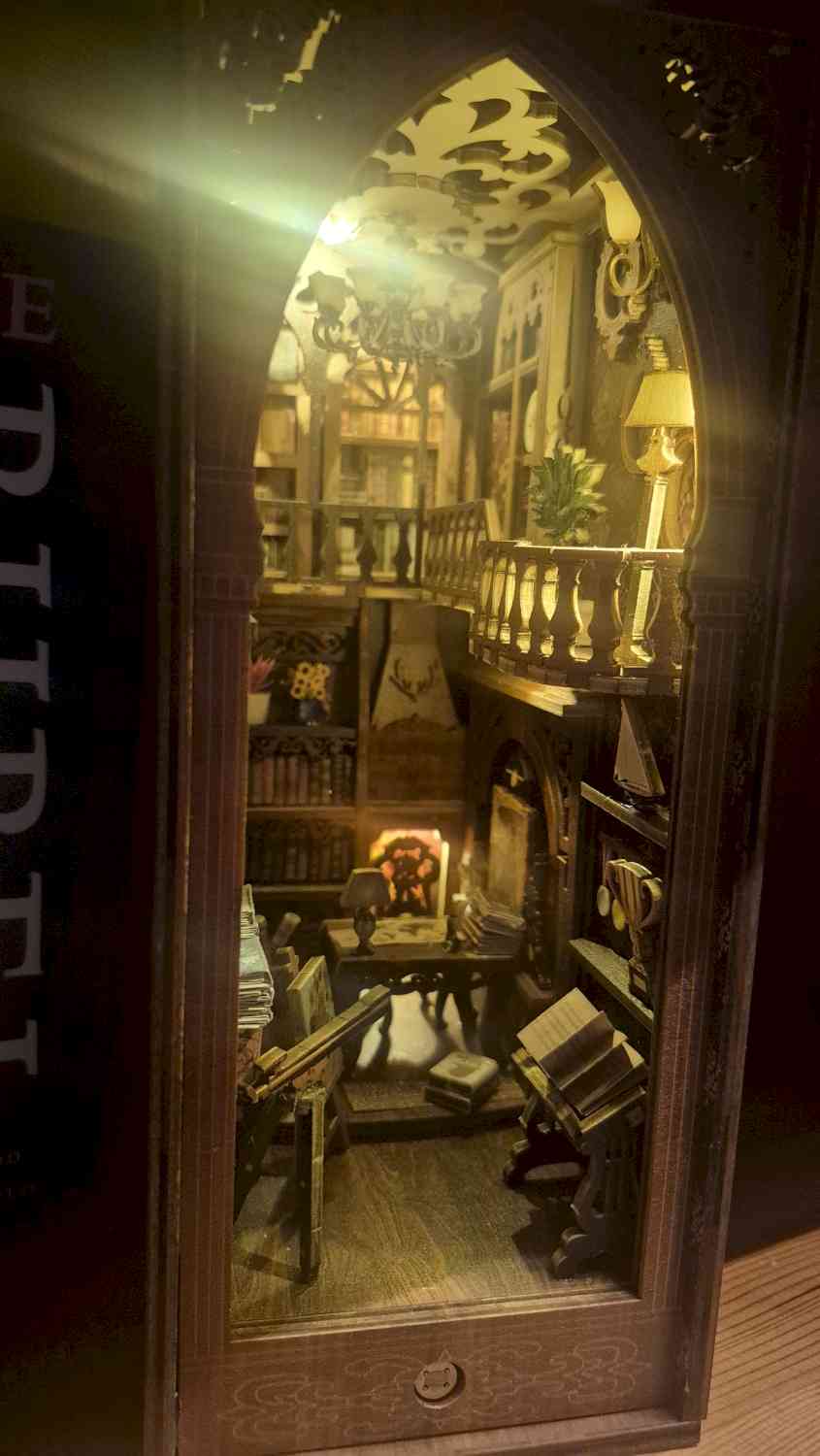
wettumBooknooks?

Freek Wat zijn booknooks?
wettumBooknooks zijn bouwpakketten,die gebruikt (kunnen) worden in boekenkasten als boekensteun. Vaak met stadstaferelen of mini-bibliotheekjes ed. Lichtje erin - heel liefelijk en sfeervol. Meestal wel echt fijn knutselwerk - ik ben/ was beginner, maar heb hiermee (langzaam werkend) wel genoten.
Hier bijvoorbeeld: https://buildiy.nl/collections/book-nook (ik heb geen commerciële belangen 😀)
De foto is van een werkstuk van me. Ca 20 cm hoog.
Freek
Aha, zo dus. Nou, je hebt mijn site bekeken, ik maak wel genoeg lijkt me 😂
Wel een leuke bezigheid👍

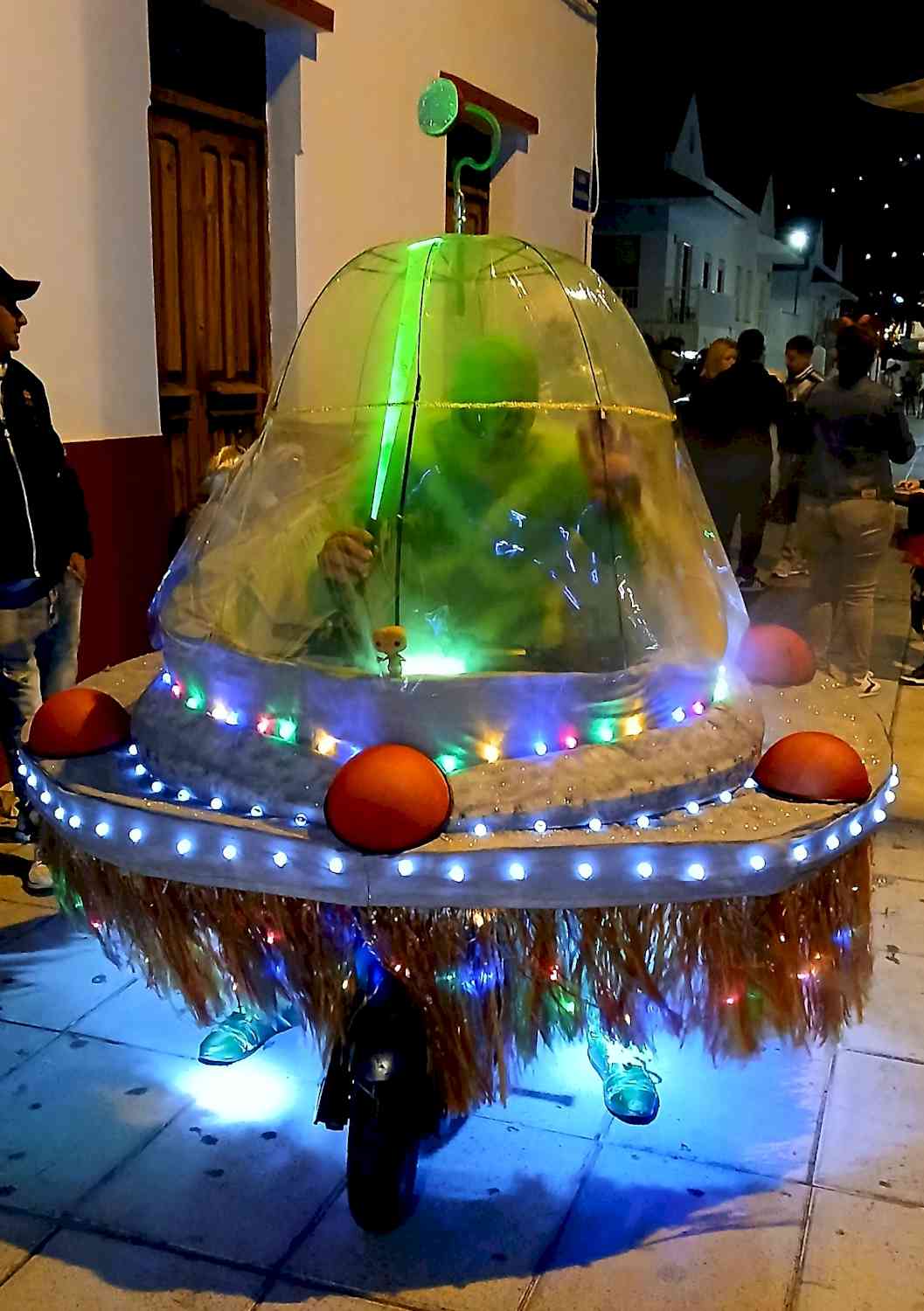
Ziek als iet - wel geen koorts - maar voor die ene keer dat we met valentijn gaan uit eten wil ik dat niet afzeggen.
La Bodeguita de Fa.

