Auch zu sehen bei vero ;) coole App für tolle Fotografien- auch Hobbyfotografien
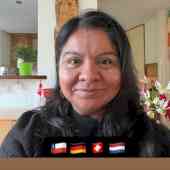
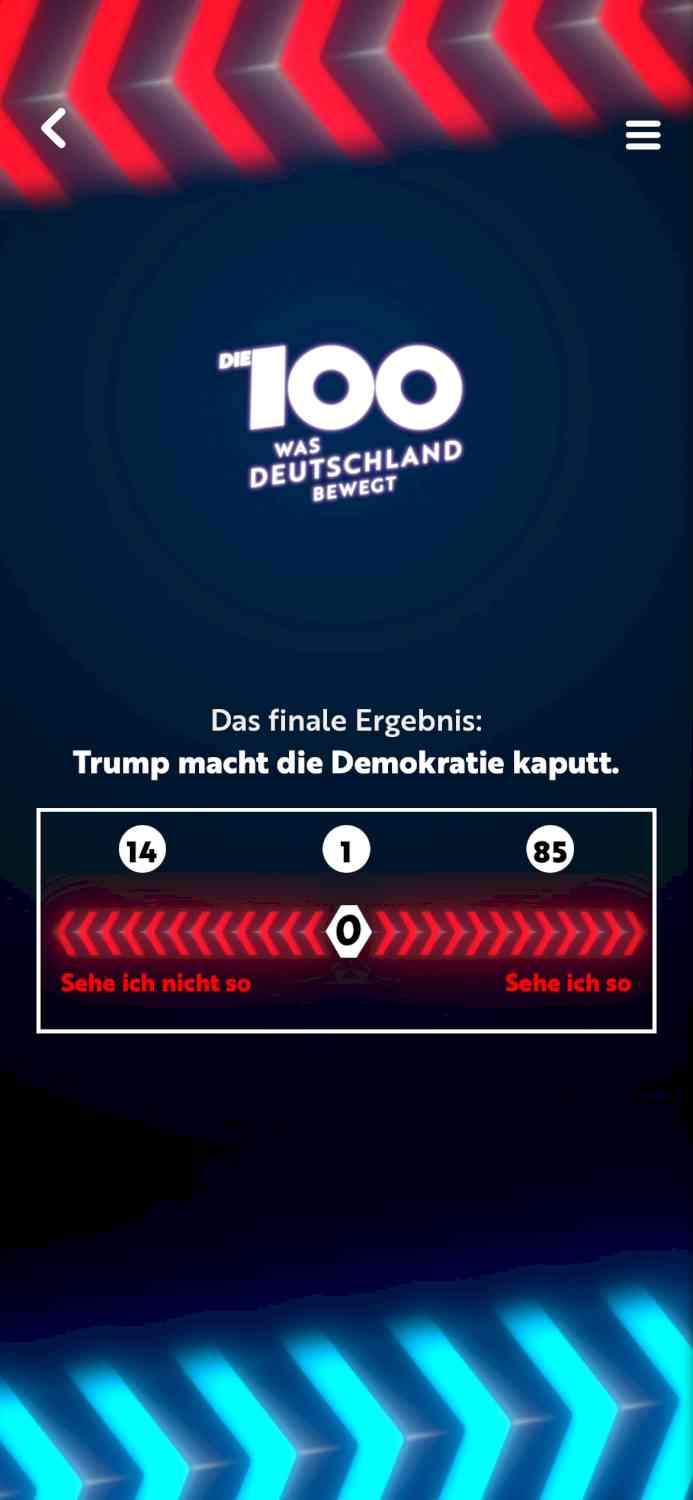
Musste ich mal teilen. Ein schlimmer rechter Kerl in Chile zur Zeit dieser Kast. Der junge Vater Boric war um Welten nahbarer und vertrauter.
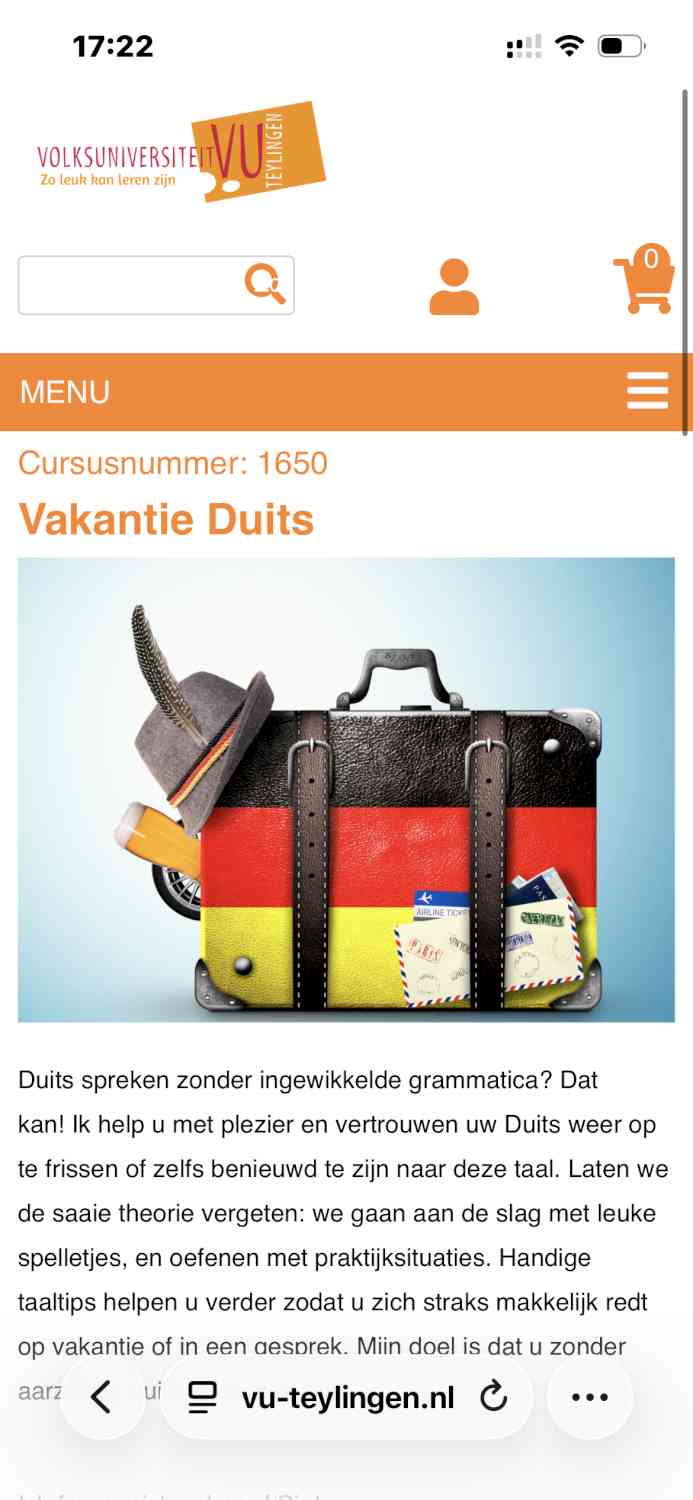
Eindelijk mag ik binnenkort weer als echte docent Duits in Nederland aan de slag. Ik begon hiermee al in Zwitserland en heb het enorm gemist ook weer fysiek aan de slag te gaan 👩🏾🏫 in een meer warme manier en sfeer.
Schrijf je in, er is genoeg plek en ik kijk er enorm naar uit om jullie allemaal te ontmoeten. Of je nu al veel interesse hebt of net pas wat interesse begint te krijgen.
Het komt allemaal goed 😊.
Willkommen im Vakantie- Duits Cursus met mij 😉 #duitsleren #duitscursus #vakantieduits #conversatieduits #beginner of #gevorderder #migrantenwelkom
Ik spreek zelfs 🇩🇪🇳🇱🇬🇧🇪🇸 en begrijp 🇨🇭🇩🇪 😉. Verder info direkt op de webpagina.
https://www.vu-teylingen.nl/talen/duits/vakantie-duits


#bloemencorso #bloemencorsobollenstreek 2026
Jaaaaa! Endlich wieder und endlich als echte Freiwillige für den Blumenzug der Blumenzwiebelregion tätig. Einfach herrlich. Heute hat mich wohl eher die Luft inspiriert. Seit einigen Monaten laufe ich mit wenig Geruchssinn durch die Gegend. Meine Haut nahm alles auf, trotz Allergie, bin ich überzeugt es wird mich wieder stärken wie die Jahre vor zwei Jahren ( den Unterschied sah ich letztes Jahr, da war ich nicht und es ging sehr schlecht). Also ich in die Höhle des Pollenlöwens ;).
Zwei Tage, zwei Tage Zeit um aus weißen auch schon sehr beeindruckenden Figuren, Farbe hinein zu zaubern, die leuchten und Spezialeffekte haben. Die Spannung und Vorfreude ist an jedem Wagen spürbar, man achtet kaum auf die Gäste, die ja auch noch da sind :). Das Orchester ist einfach toll und spornt einen an bis 22 Uhr durchzuhalten ( ich habe es heute nicht geschafft, evtl morgen? ;) ). Holland- Amerika Linie - sehr spannend zu diesen Zeiten, hier wurde ich eingeteilt und es ist ein spannendes Team dem ich beiwohnen darf. Gespannt auf morgen.
So, warten auf die Schwägerin. Sie weilt schon in Amsterdam gibt einen Podcast über Business Marketing. Ihr flog das Leben nur zu, so ganz anders als unser Leben. Ob sie jetzt mehr geerdet ist, nachdem sie einige Rückschläge erlitten hatte in den letzten Monaten? Wir werden es morgen sehen.

admin We could have say goodbye to each other. I work in Amsterdam
Endlich diagnostiziert. Bin ich froh meine Arztpraxis gewechselt zu haben. Seit mehr als 3 Jahren laufe ich mit den gleich wiederkehrenden Schmerzen rum. Ich hatte jedes Mal schon einen Hexenschuss. Ich bin echt in guten Händen jetzt :).
Einfach mal ein paar Stunden aus der realen Welt raus ins Freundeleben. Herrlich wieder. Erst im Japanmuseum Sieboldhuis Leiden gewesen (echt empfehlenswert) und danach bei Vlot Grand Café den Vorfrühlingstag geniessen. Angeblich waren es 12 Grad, in der Sonne fühlte ich sich doch echt schon wärmer an. So dürfte der Frieden weiter aussehen :).